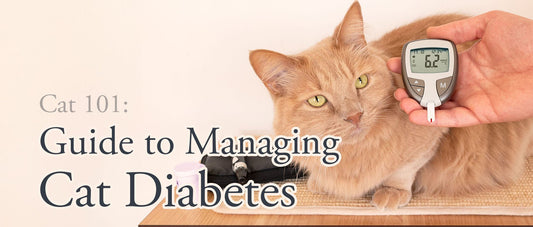

Pet 101: Guide to Managing Diabetes in Cats and Dogs
Diabetes mellitus is one of the most common endocrine disorders in companion animals.
It occurs when the pancreas does not produce enough insulin or when tissues become resistant to insulin, causing glucose to accumulate in the bloodstream instead of being used for energy. Dogs usually develop insulin‑dependent (type 1) diabetes because their pancreatic β‑cells are destroyed, whereas cats commonly develop a disease resembling type 2 diabetes characterized by insulin resistance and impaired insulin secretion.
With proper treatment and home care, many dogs and cats live long, happy lives after a diabetes diagnosis. I previously cared for a diabetic cat, and I hope the guidance below helps you care for your dog or cat.
Understanding Pet Diabetes

Causes and symptoms
• Insulin deficiency or resistance: In dogs the β‑cells are often destroyed by immune‑mediated disease or pancreatitis, whereas obesity‑related insulin resistance is common in cats. Risk factors include age, breed or genetic predisposition, obesity, lack of exercise and, in intact female dogs, the diestrus phase.
• Signs to watch for: Both species may show increased thirst and urination, weight loss despite a good appetite, lethargy and increased hunger. Dogs can also develop cloudy eyes (cataracts) and recurrent infections. Untreated diabetes can lead to serious complications such as nerve damage, kidney disease or diabetic ketoacidosis, so prompt veterinary care is essential.
Insulin Therapy

The cornerstone of diabetes management for both cats and dogs is insulin therapy. Your veterinarian will prescribe an insulin formulation and starting dose based on your pet’s species, body weight and blood‑glucose curves. Species‑specific insulin products (e.g., porcine lente insulin [Vetsulin/Caninsulin] for dogs, glargine or detemir for cats) are preferred to compounded or human products because their potency and duration are consistent.
Injection schedule and technique
• Dogs: Most diabetic dogs require twice‑daily insulin injections at mealtimes. Meals should be spaced 10–12 hours apart so that insulin activity coincides with the post‑meal glucose rise. If your dog refuses a meal, do not give insulin to avoid hypoglycaemia.
• Cats: Cats usually need one or two injections per day. Glargine or detemir insulin often provides a long duration of action and may improve remission rates. Meal timing is less critical in cats because they metabolize meals over longer periods, although regular feeding (dividing their daily ration into several small meals) helps monitor intake.
• Administration: Insulin is injected subcutaneously using a fresh needle and syringe matched to the insulin concentration. Your vet will show you how to mix the insulin (rolling or gently shaking as directed) and how to “tent” your pet’s skin to inject safely. Praise and treats after injections can build a positive association. Never give an extra dose if you suspect you’ve missed—simply wait until the next scheduled injection.
Dietary Management

Diet profoundly influences blood‑glucose control and can reduce the amount of insulin needed.
Cats – high‑protein/low‑carbohydrate
Cats are obligate carnivores. For diabetic cats, a high‑protein diet (≥40 % of metabolizable energy) with low carbohydrates (≈12 % of metabolizable energy) is recommended. High‑protein foods help maintain lean muscle mass, improve satiety and limit post‑meal glucose spikes. Canned (wet) foods tend to have lower carbohydrate content and higher moisture than dry foods, making portion control easier and promoting weight loss. Avoid high‑fibre diets in cats; fibre has not shown benefit for feline diabetes. Cats prone to obesity should aim for a weight‑loss rate of 0.5–2 % of body weight per week.
Dogs – high‑fibre, low‑fat and controlled carbohydrates
Diabetic dogs benefit from diets that promote a steady release of glucose. A diet high in insoluble fibre slows glucose absorption and aids weight loss. Overweight dogs should receive 10–20 % fibre (dry‑matter basis), while dogs at ideal or slightly underweight should receive 5–15 % fibre. Complex carbohydrates should make up <30 % of metabolizable energy, and fat should be <30 % of metabolizable energy (or <20 % if hyperlipidaemia or pancreatitis is a concern). Protein should provide >30 % of metabolizable energy to maintain muscle mass. Meals must be timed 10–12 hours apart and each meal should contain half of the day’s calories.
Portion control, treats and supplements
• Consistency is key. Feed the same type and amount of food at the same times every day. This predictability allows your veterinarian to adjust insulin accurately. Avoid free‑choice feeding in dogs; scheduled feedings improve regulation. Cats can be offered multiple small meals if necessary but their daily ration should be divided and controlled.
• Choose treats wisely. Avoid high‑sugar or high‑carbohydrate treats, which can cause glucose spikes. For dogs, adding canned pumpkin, green beans or psyllium supplements increases fibre intake without adding many calories.
• Any changes to diet should be made gradually and under veterinary supervision. Changing protein sources or carbohydrate levels may require a corresponding change in insulin dose.
Monitoring and Veterinary Care

Regular monitoring ensures your pet’s diabetes remains controlled and helps avoid hypoglycaemia or persistent hyperglycaemia.
• Veterinary check‑ups: Your veterinarian will perform periodic blood‑glucose curves, fructosamine tests and physical examinations. Blood‑glucose curves (measuring glucose every 2 hours over a dosing interval) are especially valuable for adjusting insulin doses. Regular weigh‑ins help track weight loss or gain and allow timely dietary adjustments.
• Home monitoring: Monitoring urine for glucose and ketones, or using a pet‑calibrated glucometer (e.g., AlphaTrak2 or Libre) can help detect trends and prevent crises. Keep a diary of insulin doses, feeding times, blood‑glucose readings, appetite and weight. This record is invaluable for you and your vet. You can use digital spreadsheets or a handwritten journal, whichever you prefer.
• Recognizing problems: Report any change in appetite, water intake, urination, body weight or energy to your vet promptly. Sudden weakness, vomiting, incoordination or seizures may indicate low blood sugar (hypoglycaemia) or diabetic ketoacidosis and require immediate veterinary attention.
Remission and Quality of Life

Cats can sometimes enter diabetic remission, meaning they maintain normal blood‑glucose levels without insulin. Remission is most likely within six months of diagnosis when a high‑protein/low‑carbohydrate diet is combined with appropriate insulin (particularly glargine or detemir) and good glycaemic control. Predictors include rapid achievement of good glycaemic control, early weight loss in overweight cats and avoidance of drugs that antagonize insulin. However, remission is not guaranteed and diabetes may recur; ongoing monitoring is essential.
In dogs, spontaneous remission is rare. The AAHA guidelines note that remission occurs only occasionally in dogs, although spaying intact females can sometimes resolve hormone‑induced insulin resistance. Therefore, managing canine diabetes generally involves lifelong insulin therapy, diet and lifestyle adjustments.